Source disposable anti bacteria bed pillow for Hotel, Travel, and Home
Find 30 options for the disposable anti bacteria bed pillow suitable for hotel, travel, and home use. Buyers can compare features like waterproof, anti-static, and eco-friendly properties alongside specifications from Chinese manufacturers.
Key considerations
Products List


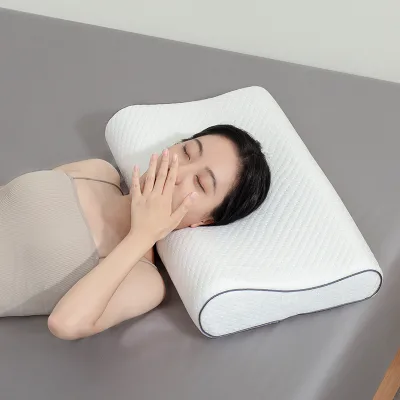
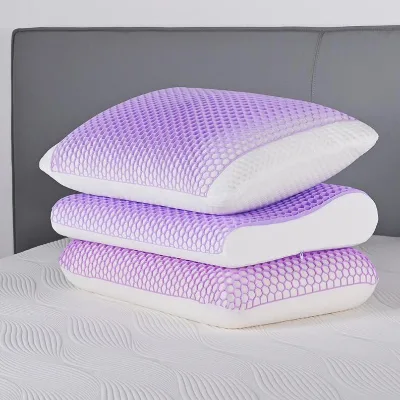


Comprehensive Sourcing Guide
Strategic Sourcing Guide for Disposable Anti-Bacterial Bed Pillows
Understanding Product Variants and Material Composition
When sourcing disposable anti-bacterial bed pillows, buyers must first navigate a complex landscape of product definitions, as the term often encompasses both the pillow core and the protective cover. The supplied market data reveals a distinct divergence in material composition that directly impacts functionality and application. One observed category utilizes 100% Polypropylene, manufactured via Spun-Bonded or Nonwoven Technics. These materials are frequently associated with high-volume disposable supplies, offering properties such as being waterproof, mothproof, and anti-static. The weight range for these polypropylene variants spans from 9 to 220 GSM, allowing for customization based on the required durability and softness.
Conversely, another segment of the market focuses on 100% Polyester Fiber or memory foam alternatives, often designed for reusable or semi-disposable applications in hotel and travel settings. These products may feature Technics such as Woven or Nonwoven and are characterized by attributes like being soft, memory-foam infused, or containing latex. It is critical for procurement teams to distinguish between a fully disposable non-woven cover and a reusable pillow with a disposable cover. The observed data indicates that while some products are explicitly labeled as "Non-Disposable" in their primary classification, they may still serve as the outer layer for disposable systems. The "Slope Anti Spitting Pillow" and "Disposable Pillow Cover" represent specific model variations, suggesting that the core keyword often requires a multi-component procurement strategy rather than a single SKU purchase.
Technical Specifications and Performance Attributes
Technical due diligence is paramount when evaluating disposable anti-bacterial bed pillows. The supplied facts highlight a robust set of performance features that buyers should verify against their specific hygiene requirements. Key attributes observed in the market include Waterproof, Anti-Tear, Anti-Static, Anti-Pull, and Anti-Bacterial properties. The Anti-Bacterial claim is particularly significant for medical and hospitality applications, yet it must be substantiated through specific test data rather than assumed from the product name alone.
Width and thickness specifications vary significantly across the observed inventory. A standard width of 58/60 inches is noted for fabric-based options, while thickness is generally categorized as "Medium Weight." The weight range of 9-220 GSM provides a broad spectrum for selection; lower GSM values (e.g., 9-20 GSM) typically indicate lightweight covers suitable for single-use scenarios, whereas higher GSM values suggest more robust protection. Shape is predominantly rectangular, with dimensions such as 47*85cm or customizable sizes like 80x80cm and 60x60cm.
The following table summarizes the observed technical specifications to assist in vendor comparison:
| Attribute Category | Observed Specification | Application Context |
|---|---|---|
| Material | 100% Polypropylene, 100% Polyester Fiber, Non-woven Fabric | Disposable covers vs. Reusable cores |
| Technics | Spun-Bonded, Woven, Nonwoven | Durability and texture |
| Weight Range | 9-220 GSM | Determines thickness and protection level |
| Dimensions | 47*85cm, 80x80cm, 60x60cm, Customized | Fit for specific bed types or travel needs |
| Key Features | Waterproof, Anti-Bacterial, Anti-Tear, Breathable | Hygiene and comfort requirements |
| Color Options | White, Blue, Dark Blue, Navy Blue | Branding and aesthetic consistency |
Buyers must verify that the "Anti-Bacterial" feature is not merely a marketing term but is supported by the material's inherent properties or chemical treatments. The presence of "Ethylene Oxide Sterilization" is noted as "Without" in specific product listings, which implies that some products rely on material properties rather than terminal sterilization for their anti-bacterial claims. This distinction is vital for compliance in medical environments where terminal sterilization may be a mandatory requirement.
Compliance, Certification, and Safety Standards
Navigating the regulatory landscape for disposable medical and hospitality supplies requires rigorous verification of standards. The supplied data references "National Standards" for Color Fastness and specific product standards such as "Non woven PP/SMS." However, the absence of specific international certification names (e.g., ISO, CE, FDA) in the provided facts necessitates a proactive verification approach by the buyer.
When evaluating suppliers, procurement teams must explicitly request documentation regarding the anti-bacterial efficacy of the product. The claim of being "Anti-Bacterial" should be backed by test results from accredited laboratories, detailing the reduction percentage of common pathogens like Staphylococcus aureus or Escherichia coli. Furthermore, if the product is intended for medical use, the absence of Ethylene Oxide (EO) sterilization, as observed in some listings, requires confirmation that the product meets alternative sterility assurance levels or is intended for non-sterile applications only.
Color fastness is another critical compliance metric. The observed "National Standards" for color fastness suggest that the dye stability meets local regulatory requirements, but international buyers should verify if these standards align with their destination market's regulations. For products claiming to be "Eco-Friendly," buyers should seek evidence of biodegradability or recyclability, as this term is often loosely applied. The "Domestic" grade classification observed in the data indicates that some products may be manufactured for local markets and might not adhere to international export standards, requiring careful vetting before cross-border procurement.
Cost Drivers and Economic Considerations
The economic landscape for disposable anti-bacterial bed pillows is influenced by several dynamic factors. The observed price range in the market spans from $0.02 to $30.00 USD, a wide variance that reflects differences in material quality, production volume, and feature sets. The lower end of this spectrum likely corresponds to basic, lightweight polypropylene covers with minimal features, while the higher end may include specialized memory foam pillows or those with advanced anti-bacterial treatments and custom branding.
Minimum Order Quantity (MOQ) is a significant cost driver, with observed ranges extending from 2 to 100,000 units. A specific listing notes an MOQ of 500 units, while others suggest flexibility down to very low quantities. Buyers must balance the economies of scale against inventory holding costs. High-volume orders often unlock lower per-unit pricing but require significant capital outlay and storage capacity. Conversely, low MOQs offer flexibility for testing the market or fulfilling urgent, small-scale needs but come with a higher unit cost.
Material costs are the primary determinant of the final price. Polypropylene and polyester fibers fluctuate based on global oil prices and supply chain dynamics. The inclusion of additional features such as "Magnetic," "Musical," or "Therapy" capabilities, as seen in some product attributes, can significantly inflate the price, potentially pushing the cost toward the upper limit of the observed range. Buyers should also consider packaging costs, as options range from simple polybags to boxed or cartoon (carton) packaging, which adds to the overall landed cost.
Typical Applications and Usage Scenarios
The versatility of disposable anti-bacterial bed pillows allows them to serve a wide array of applications across different industries. The observed usage categories include "Bag," "Disposable Supplies," "Hotel," "Travel," "Bedding," "Neck," and "Massage." This breadth of application underscores the importance of selecting the right product variant for the specific use case.
In the hospitality sector, hotels utilize these pillows to maintain hygiene standards between guests, particularly in high-traffic or post-pandemic environments. The "Disposable Pillow Cover" and "Slope Anti Spitting Pillow" are tailored for these settings, offering a barrier against allergens and bacteria. The "All-Season" attribute suggests suitability for year-round use in various climates. For the travel industry, lightweight, compact options are preferred, often featuring "Waterproof" and "Anti-Tear" properties to withstand the rigors of transit.
Medical and healthcare facilities may require products with specific anti-bacterial certifications and potentially sterile packaging, although the observed "Without Ethylene Oxide Sterilization" indicates that some products are intended for general hygiene rather than surgical sterility. The "Children" and "Adults" age group classifications highlight the need for size and softness customization. Additionally, the "Decorative" and "Massage" usage suggests that some products are designed for wellness centers or spas, where the "Memory" and "Soft" attributes are prioritized over pure disposability.
Supplier Evaluation and Quality Control Protocols
Selecting a reliable supplier for disposable anti-bacterial bed pillows requires a structured evaluation process. The observed data indicates that products originate from various locations in China, including Zhejiang and Hubei provinces. While these regions are known for textile manufacturing, buyers must verify the specific capabilities of the supplier beyond the general location.
Quality control should focus on verifying the consistency of the "Spun-Bonded" or "Nonwoven" technics. Buyers should request samples to test the physical properties, such as tensile strength (Anti-Tear, Anti-Pull) and breathability. The "Customization" attribute is prevalent, offering options for color, size, logo, and packing. However, customization introduces variability; therefore, suppliers must demonstrate a robust process for maintaining quality during custom runs.
Key evaluation criteria for suppliers include:
- Material Verification: Confirm that the stated material (100% Polypropylene or Polyester) matches the physical sample.
- Feature Validation: Test the claimed features, such as waterproofing and anti-bacterial efficacy, through independent testing if necessary.
- Packaging Integrity: Ensure that the "Polybag," "Box," or "Cartoon" packaging protects the product during transit and maintains hygiene.
- Production Capacity: Assess the supplier's ability to meet the required volume, considering the wide MOQ range observed in the market.
- Compliance Documentation: Request certificates for color fastness and any relevant anti-bacterial test reports.
Buyers should avoid relying solely on the "Domestic" grade classification for international exports, as this may not reflect the rigorous standards required for global markets. Instead, prioritize suppliers who can provide transparent documentation and have a track record of exporting to the buyer's target region.
Long-Term Procurement and Sustainability Considerations
For buyers looking to establish long-term procurement relationships, sustainability and supply chain resilience are critical factors. The "Eco-Friendly" attribute observed in the product features suggests a growing market demand for environmentally responsible products. However, the term is not universally defined, and buyers should seek specific information regarding the biodegradability or recyclability of the polypropylene or polyester materials used.
The "Customization" capability offers a strategic advantage for long-term partnerships, allowing brands to align product specifications with their corporate social responsibility goals. For instance, customizing the packaging to be recyclable or reducing the GSM weight to minimize material usage can enhance the sustainability profile of the product.
Supply chain stability is another long-term consideration. The observed lead times and production locations (Zhejiang, Hubei) should be evaluated for potential disruptions. Diversifying suppliers across different regions within China or exploring alternative sourcing locations can mitigate risks associated with geopolitical tensions or logistical bottlenecks. Additionally, the wide price range ($0.02-$30) indicates that buyers should not lock into a single price point but rather negotiate based on volume and material market fluctuations.
In conclusion, sourcing disposable anti-bacterial bed pillows requires a meticulous approach that balances technical specifications, compliance requirements, and economic factors. By leveraging the observed data and conducting thorough due diligence, buyers can identify suppliers that deliver high-quality, safe, and cost-effective solutions tailored to their specific operational needs. The key lies in distinguishing between the various product variants and ensuring that all claims, particularly regarding anti-bacterial properties and material composition, are substantiated by verifiable evidence.
FAQs
What materials are used for disposable anti bacteria bed pillows?
These pillows typically use 100% Polypropylene or 100% Polyester Fiber. Some variants are made from Non-woven Fabric to ensure durability and hygiene for single-use applications in hotels and medical settings.
Can these pillows be customized for specific branding needs?
Yes, customization is available for color, size, logo, and packing. Buyers can select from options like White, Blue, or Navy Blue, and choose between polybag or box packaging to match their brand requirements.
What is the typical weight range for these nonwoven products?
The weight range spans from 9 to 220 GSM depending on the specific product model. Lower weights suit lightweight covers while higher weights provide medium weight protection for more robust usage scenarios.
How are these pillows packaged for shipment and storage?
Packaging options include polybags, boxes, or cartons with quantities like 100 pieces per bag. The specific packing method depends on the supplier and order volume to ensure product integrity during transit.
Which locations manufacture these disposable bed pillow products?
Products originate from various locations in China, including Zhejiang and Hubei provinces. Buyers should verify the specific origin to ensure compliance with local and international shipping regulations.
Are these pillows suitable for both children and adults?
Yes, the age group classification includes both children and adults. Different sizes and softness levels are available to accommodate the specific needs of various user demographics in travel and hospitality.